


As economic retreat begins...Power, agriculture, housing top agenda
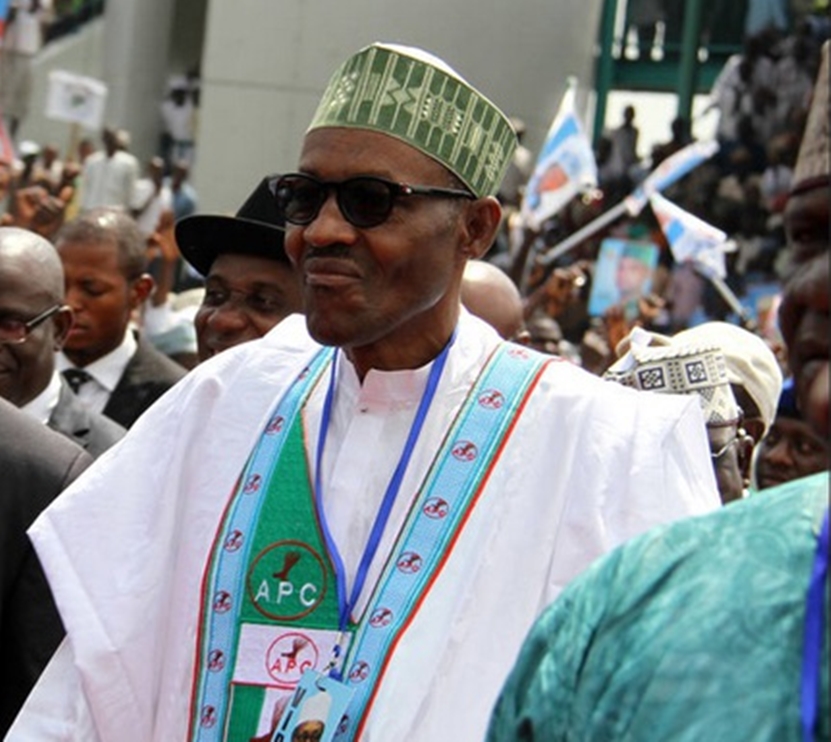
President Muhammadu Buhari, who opened the retreat yesterday, placed before the gathering some random policy options regarding agriculture, power, manufacturing and housing.
He said he did not include education, science and technology because these were related subjects requiring a whole retreat by themselves. The two-day retreat, titled: "Nigerian State: Multi-centres of Prosperity" and holding at the Banquet Hall of the Presidential Villa, is being chaired by Vice President Yemi Osinbajo.
On power, the president said the privatisation of the sector was a "classic dilemma" for the country. He noted that it was a case of "Public interest vs Profit Motive," but added: "Having started, we must complete the process" Buhari said the government had set a target of 10,000 megawatts "distributable power" in three years adding that 2,000 megawatts would be added to the national grid this year.
He noted that Nigerians' favourite talking point and butt of jokes was the power situation in the country. "But, it is no longer a laughing matter. We must and by the grace of God we will put things right," he said. The president observed that the basic problems which defied successive governments were constant power cuts high electricity bills despite power cuts, low supply of gas to power plants due to vandalisation, obsolete power distribution equipment and low voltage which could run industrial machinery. "In our determination to CHANGE," the president vowed, "we must and will, insha Allah, put a stop to power shortages."
He said while the National Electricity Regulatory Commission has a vital job to ensure consumers get value for money while the power companies should replace obsolete equipment and improve the quality of service and technicians. On agriculture, he said for too long, government policies had been "half-hearted, suffering from inconsistencies and discontinuities. Yet our real wealth is in farming, livestock, hatcheries, fishery, horticulture and forestry." He said from the information available to him, the issues currently worrying the public are: "Rising food prices, such as maize, corn, rice and gari; lack of visible impact of government presence on agriculture and lack of agricultural inputs at affordable prices.
Cost of fertilizers, pesticide and labour compound the problems of farming, while extension services were virtually absent in the states, he said. He added that imports of subsidized food products such as rice and poultry discouraged the growth of domestic agriculture. Other problems are wastage of locally grown foods, notably fruit and vegetables which go bad due to lack of even moderate scale agro-processing factories and lack of feeder roads. He said the Federal Ministry of Agriculture, in collaboration with the states, should convene early meetings of stakeholders and identify issues with a view to addressing the challenges.
He said while banks should be leaned upon to substantially increase their lending to the agricultural sector, the Central Bank of Nigeria should bear part of the risk of such loans as a matter of national policy. "When I was a schoolboy in the 1950's the country produced one million tons of groundnuts in two successive years. The country's main foreign exchange earners were groundnut, cotton, cocoa, palm kernel, rubber and all agro/forest resources. "Regional Banks and Development Corporations in all the three regions were financed from farm surpluses. "In other words, our capital formation rode on the backs of our farmers. "Why was farming so successful 60 years ago? The answers are simple: Access to small scale credits; inputs (fertilizers, herbicides etc); extension services. Now, we have better tools, better agricultural science and technology, and greater ability to process. With determination we can succeed", he said. The president said it grieved him that so many manufacturing industries in the country were beset by lack of foreign exchange to import raw materials and spare parts.
"Painful though this is, I believe it is a temporary phase which we shall try to overcome." He, however, stated that there were "deeper, more structural problems bedevilling local industries" which the retreat should identify short and long-term answers to. Chief among these problems are inadequate infrastructure: power, roads, security leading to increase in costs of making made-in Nigeria goods pricier than imports and high cost of borrowing money. He also recommended that a fresh campaign to patronise made-in-Nigeria goods be launched. "Example: all uniforms in government-sponsored institutions should be sourced from local factories", he said.
On housing, the president said the most frequent public concerns brought to his attention were three-pronged: severe shortage of housing, high rents and unaffordable prices for prospective buyers especially middle and low-income earners. "Some estimates put Nigeria's housing deficit at about sixteen million units. In our successful campaign to win the general elections last year our party, the APC, promised to build a million housing units a year". He said this would turn out to be a very tall order unless the Federal Government builds 250,000 housing units and "the 22 APC states together manage another 250,000.
"We invite foreign investors together with local domiciled big construction companies to enter into commercial housing building to pick up the rest," he said. The president also lamented that despite huge oil revenues in the past, the nation's health sector remained undeveloped. He revealed that Nigerians annually spent estimated $1 billion on medical tourism.
He attributed this to "Dirty hospitals inadequate equipment, poorly trained nursing staff, overcrowding. The litany of shortcomings is almost endless. Sound health system is part of the prerequisites for economic development. "Nigerians travel abroad, spending an estimated $1bn annually to get medical treatment. Despite huge oil revenues, the nation's health sector remains undeveloped." He said it was also his government's expectation that the retreat would highlight the respective roles and responsibilities of each tier of government in adopting and implementing agreed policy initiatives.
Cloud Tag: What's trending
Click on a word/phrase to read more about it.
Olaitan Buraimoh Zulkifli Ibraheem Abdulrauf Yusuf Alagbado Abdulquowiyu Olododo Vasolar Markaz Arabic And Islamic Training Institute, Agege Oniye IsDB Donatus Ejidike Raji AbdulRasaq NULGE Metro Park KWACOBPA Tafida Of Kaiama Shuaibu Yaman Abdullahi Ilesha-Baruba Amusement Park Femi Gbajabiamila Omu Aran Convocation Ceremonies Sobi UTME Isiaka Saka Opobiyi March 18 Ilesha-Baruba-Gwanara Obasanjo Esinniobiwa Quareeb Lithium Deposit Amosa PharmAccess Foundation Elerinjare-Ibobo Alumni Association Of The Federal Polytechnic Offa Bashir Omolaja Bolarinwa Government High School (GHS), Adeta Salman Jawondo Imodoye Writer’s Enclave Kwara State University Of Education Raliat AbdulRazaq Niyi Ogundiran Abdulrahman Abdulrasak Mohammed Kamaludeen Ibraheem Abdullateef Ayeyemi Sulaiman Crystal Corner Shops Young Progressives Party Ahmed Idris Mohammed Adijat Adebiyi Olota Of Odo-Owa Federal Polytechnic Offa Olukotun Of Ikotun Patigi Regatta Garba Idris Ajia Guber Aspirant Gbemisola Saraki Ezekiel Yissa Benjamin Saka Aleshinloye Women Radio Ilorin International Airport Rotimi Atere Yahaya Jibril Usman First Lady Fatimoh Lawal ITEM 7 Monthly Sanitation Aliyu Olatunji Ajanaku Fatai Olodo State Bureau Of Internal Revenue Abdul-Rasheed Na\'Allah Raimi Iyanda Habeeb Abdullahi Al-Ilory Face Masks Tunji Folami Saheed Akinwumi Bibire Ajape Transition Implementation Committee Isiaka Abdulrazak