Igbomina: We are known for enterprise - Oba Charles Oladele Ibitoye, The Olomu of Omu-Aran
Date: 2017-04-02
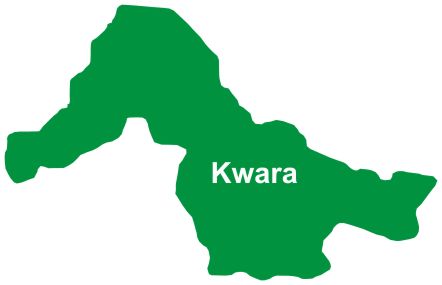
The Igbomina people are hunters, renowned agriculturalists, proficient wood carvers and expert leather artists. They are one of the Yoruba-speaking groups that make up the larger Yoruba ethnic people of West Africa, particularly in Nigeria.
The Igbomina people, who used to be advanced cloth-weavers, are occupying the north-central part of the Yoruba region of southwestern Nigeria. The territory spreads across the former eastern Kwara State, now northern Osun State. About 90 per cent of Igbomina people live in the present day Isin, Irepodun and Ifelodun local government areas of Kwara State, while the remaining occupy Ora and Illa-Orangun areas of Osun State.
The people migrated to their present settlement from various locations and at different times between the 14th and 17th century A.D. (Dada, 1985). Majority of Igbomina clans claim to have migrated to their present habitation from either Ife or Oyo, the two major origins of the Yoruba.
The progenitor of the Igbominas was a prince of Oduduwa (Johnson, 1921). According to Yoruba-Igbomina tradition, the areas now called Igbomina were given to and founded by Orangun of Ila as his own share of inheritance from his grandfather, Oduduwa, the purported progenitor of the Yoruba race.
Soft-spoken Oba Charles Oladele Ibitoye, the Olomu of Omu-Aran in Irepodun Local Government Council, is one of the Obas in the 16 Local Government Councils in Kwara State. He is also the Vice-chairman of Irepodun Council of Traditional Rulers. Recently, the Palace Watch spoke with him in Omu-Aran Headquarters of Irepodun Local Government Council in Kwara State.
Kabiyesi, could you please give a brief history of the Igbomina people, where they are located and what they do as a people?
ASIDE those found in Ila area, Igbomina land is precisely aligned into 16 administrative parts in Kwara State. These areas are: Omu-Aran, Omupo, Sare, Oke-Ode, Igbaja, Ajase, Isin, Oro, Oro-Ago, Ile-ire, Ora, Oko, Ola, Esie, Idofia and Idofin. There are known Igbomina towns and villages in few other locals of Kwara State, including Apado in Iponrin area, Jeba in Lawna district, Apa-Ole, Joromu, Fufu etc., in Akanbi district and Ogbondoroko in Afon area.
The Igbominas are often grouped into two: the Igbomina Mosan and Igbomina Moye. The Moye group includes, Oke-Ode, Oro-Ago, Ora, Oko-Ola, Idofin and Agunjin districts.
The Mosan group comprises such areas as, Omu-Aran, Ajase, Igbaja, Isin, Oro, Share, Esie, Omupo, Idofian and Ila-Orangun. The cord that firmly holds the igbomina clan together is reflected in their insuperable dialect, origins, values, culture, institutions and aspirations.
Across Igbomina land, the people are fond of eating Ewu iyan, Ikasin oka or oka adagbon. These meals are prepared from leftovers of amala and iyan (pounded yam), a delicacy that adds refreshing flavour of delicious tastes and aromas to the meals. The "new" taste is highly cherished, especially in Omu-Aran, where the inhabitants have this popular saying: "ewu iyan d'omu odotun" meaning the re-make is in no way inferior to the fresh one.
Among the Yoruba, Igbomina people possess the famous Elewe masquerade, which is an Egungun representing the ancestors during special festivals.
What language do the Igbomina people speak?
Igbomina people speak a central Yoruba dialect called Igbomina or Igbonna, a Yoruba language that belongs to the larger Niger-Congo language group. Igbomina dialect is akin to the adjoining Yagba, Ilesa, Ife, Ekiti, Akure, Efon and Ijebu areas that are classified under Central Yoruba dialects of the large Yoruba languages.
How is the Igbomina people's economy like?
Unlike Ilorin, which was and still is one of the major centres of narrow strip aso oke cloth weaving by Yoruba men, there were few of such weavers in Igbomina. Instead, it was known for its wider cloths woven by women on the upright single loom. By the 1960s, almost all Igbomina Yoruba households had included one or more women weavers, producing cloths both for use within the family and for sale.
Now that the Federal Government is encouraging farmers, are you taking any step to ensure that your people profit from this?
We are basically an agrarian people. We have fertile land and we grow almost all the crops in this area of the country. Now that there are no longer white-collar jobs to absorb our youths, we are deliberately encouraging them to go into farming. For instance, even as the Kabiyesi, I am a farmer. I am already leading by example. This is the right way to go.
We thank God that under the leadership of President Muhammadu Buhari, agriculture is being given a pride of place, and Nigeria, as a country will soon smile. As a country, we have come to realise we can no longer rely solely on oil. Before now, that was the only foreign exchange earner for the country, but we have now come to the realisation that we need to diversify our economy, which is very important for the country.
Late last year, the Federal Government approved the construction of an irrigation dam here in Omu-Aran. In fact, work has started in the dam, with the contractors already on the site. This will make it possible for us to farm all through the year. This is a good example that the Federal Government is now very serious about farming in Nigeria. I must say we appreciate this effort by government, as this will encourage us contribute to the economy and food security in the country.
Whenever I have to speak to my people, I always encourage them to take advantage of farming, as it is the only way to go now in Nigeria. So, many of them are now into active farming, especially seeing that I am not just preaching it, but I am also into farming, they are encouraged.
Before now, some of our people are farmers, traders, civil servants and educationist. Aside their core areas of interest, many are also into farming, which shows that they are listening to what we are preaching here. To further buttress my point, majority of our people, who were once based in places such as Lagos, trading and doing other menial jobs have returned home, to go into full-time farming. They have now realised that they can also be successful, if they stay in their places of birth.
How do you cope, with the people no longer providing their traditional rulers' needs, as was the practice in the past?
You are right; our people no longer minister to the needs of their traditional rulers. Any traditional ruler, who expects his subjects to feed him and his family, will surely go hungry for a very long time. We are, however, thankful that Kwara State government is really assisting in this area, by way of paying stipends and other allowances that help most traditional rulers to take care of their needs.
Source