


Kwara and its changing political environment
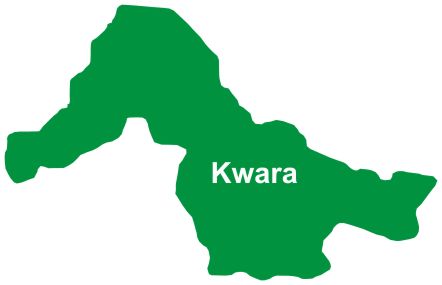
Change is constant. This truism best describes the political situation in Kwara, a state gradually shedding its political image as the Sarakis' fiefdom. Until the 2011 general elections when they nearly lost the governorship seat, the Sarakis were the lone voice in the state politics, dictating the way of life. Opposition parties, their candidates most times disenchanted lackeys of the Saraki political clan, would contest election, lose and disappear. They would resurface in four years, weakened and discredited. That would leave the Sarakis holding the yam and the knife, allegedly caring little about human capital or even infrastructural development and awaiting the next poll to renew their stranglehold on the state.
Today the Sarakis no longer have a field day in Kwara State, their actions and inactions now being exposed by a strong and outspoken opposition movement led by the Action Congress of Nigeria (ACN) whose governorship candidate in the 2011 poll, Mohammed Dele Belgore (SAN), has remained a strong (and alternative) voice in the state politics. Kwarans now have opposing views on how their state is run, the absence of which was largely responsible for the way many think the Sarakis have run the state like a fiefdom over the years.
Evidences abound that Kwarans, including many in the government, are happy about this and are latching onto the opportunity of a virile opposition ACN to let out what was clearly a pent-up anger at what they call misrule, oppression and corruption of the past years. The emergent culture of protest outside and within the state civil service - historically unheard of because of the fear of silent suppression, impunities and arbitrary sack from work as in the case of some level 14 civil servants who former Governor Bukola Saraki allegedly asked to sign their letter of resignation before their promotion or cases of court or tribunal rulings that were never respected as in the case of the former governor refusing to honour the ruling of election tribunal and Appeal Court rulings that sacked some PDP lawmakers from Offa and declared the opposition candidates duly elected - underscores the changing political environment in Kwara State. It is now commonplace to see hitherto shy Kwarans storm the street to protest the impunities of their government: fuel subsidy protest, looting and destruction of PDP secretariat in Ilorin, the motorcyclists' protest and attack on a top government figure Bibiire Ajape, the IEDPU's well-coordinated open opposition to the government's land policy and open protest by Malete communities of the government's "land grabbing" policy are a few examples. The people are no longer intimidated by the powers and influence of the Sarakis because attention is now easily turned on them - thanks to the opposition and the new media.
This is not to say that they have been defeated. No. But the days of barefaced impunities seem gone. For instance, it is no longer easy (it was the norm before) to lay claim to some blanket achievements. On May 28 when the state government claimed to have tarred over 600kilometres road in one year and were even bold enough to list some of them, the opposition quickly rushed to the media in a detailed advertorial to expose the lies with incontrovertible facts. It was the same thing on twitter, where young Kwarans spent days dismantling what they call the edifice of lie by the state government.
This ultimately leads to the question of 2015. It is interesting that even the Sarakis are now forced to acknowledge the existence of political opposition in Kwara, despite the initial denials. They now blame everything on the opposition. It is not certain who will win the crown. What is certain however is that the Sarakis would go to the 2015 election more fragmented, more discredited and therefore less powerful to orchestrate the sort of rigging that marred the 2011 general elections.
Contrary to the claims made in commissioned newspaper articles and manipulated video clips on television screens, Kwarans still cannot feel the impact of governance. They are annoyed even the more by bogus claims in the media. It is like committing two grievous sins: the sin of poor performance and the sin of lying against the people. The poor showing of Abdulfattah Ahmed and claims that former governor Bukola Saraki presides over the sharing of the state allocation have made nonsense of their appeal to zoning in the 2011 poll and gave fillip to the opposition's claim that the only reason Saraki Jnr picked Ahmed as successor was to cover his ills. The events of the past months especially the N9.2b loan scam involving Saraki Jnr have fuelled this insinuation. Not only was Saraki Jnr allegedly using the state fund to run private businesses according to the police affidavit, Ahmed then the finance commissioner was fingered in the shady transaction. The opposition has also raised many instances of alleged corruption, controversial loans (as in the case of the N10b the PDP-led government obtained to execute the same projects for which Saraki Jnr had raised and accessed N17b bond) and poor governance. Unfortunately for the Sarakis, their support base (the uneducated, old and dying, but large men and women voting public) is waning by the day and the "money power", long relied upon to sway poor voters, may no longer save them because the youths, now forming the largest voting bloc, have learnt to collect money and still rock the boat. The booing of Ahmed at the recent Eid-el fitri praying ground in Ilorin, the attacks on Saraki Jnr at Ilorin Airport by some PDP dissenters, and the outpouring of emotions on Unilorin FM (on August 15 Wednesday) against the government stopping Belgore free holiday are dangerous pointers for the PDP and the Sarakis.
Ahmed and Saraki Jnr might have parted ways after all. The denials notwithstanding, two main camps have already emerged within the PDP: loyalists of Saraki Jnr and those grumbling about the new godfather's arrogance and poor leadership. The latter believes Ahmed should assert himself. Who wins is a matter of strategy. The cold war between Ahmed and Assembly Speaker Razaq Atunwa is a symptom of this rivalry. Saraki's loyalists believe Ahmed had released incriminating documents about their leader to those seeking his head. It is also believed Ahmed was behind the recent allegations of fraud against Atunwa. The Sarakis are not known to take prisoners. They will fight back. And another group is emerging on the sidelines of the two above: those routing for the former PDP National Chairman Kawu Baraje as the next governor in 2015, an ambition riding on "omo oko and omo ale Ilorin" (bona fide Ilorin indigene) sentiment may truncate in its embryonic stage the Saraki Jnr's emergence as the new godfather. In case Saraki Jnr used the PDP structure to sideline Ahmed in the 2015 race, and that is likely if the infighting continues, that would combine with Ahmed's more-talk and less-work habit to make Kwara South a no-go area for the PDP. So far the expectations of the Kwara South elite, especially those of Igbomina stock, who ditched their traditional opposition to bad governance and alleged Saraki's oppression, have not been met and they could use the 2015 to retrace their steps.
The coming together of the Sarakis after the 2011 poll is not in any way an added strength for them. It is for many Kwarans, including many top former Sarakite politicians who went to ACPN, a confirmation of deceit and conspiracy to sustain the Saraki political dynasty. Many of them may seek to take their pound of flesh as seen in the recent defection to ACN of the influential Chief Ayeni faction of ACPN.
The so-called Saraki/Idi Ape reconciliation is at best a fluke. It has not, will not and cannot address the core issues of the dispute.
The scenarios above have given the lie to some sponsored newspaper articles which attempted to place the Sarakis in firm control of the state. They are not. The happenings in the state show waning influence of the Sarakis and explain why opposition may cling the governorship seat in 2015 if they intensify the effort of rallying the people against the perceived past and current impunities of the Sarakis. As for whether they will change: you cannot teach old dogs new tricks.
*Abdullah, a public commentator, writes from Ilorin, Kwara State Nigeria
Related
Re: The Bukola Saraki years in Kwara State by By Mas'ud Adebimpe
M. D. Belgore and the unfinished work in Kwara State by Is'haq Modibo Kawu by Is'haq Modibo Kawu
Kwara's shameful GDP and her political leadership by Ishaq Abdullah
Still on how Kawu got it wrong on Saraki/PDP by Adeyemi Salako
Cloud Tag: What's trending
Click on a word/phrase to read more about it.
Abdulraheem Olesin Onikijipa Ridhwanullah Al-Ilory Aasiyat Bello Oyedepo Abubakar Olusola Saraki HYPPADEC Adanla-Irese Ajidagba Elese Of Igbaja Turaki Femtech Sadiq Umar Boko Haram Durosinlohun Atiku Bilikisu Gambari Toyin Abdullahi Iyaloja-General Femi Ogunsola Olawuyi New Nigeria People’s Party Lucky Omoluwa Malete Kwha.gov.ng Mahfouz Adedimeji Taofik Mustapha Moshood Bakare 2017 Budget Ijagbo Health Centre Ajibola Ademola Julius Siddiq Adebayo Idowu Salawu Olofa Of Offa Ahmed \'Lateef Baboko Emir Of Yashikira Fatai Garuba Labaka Abdulganiyu AbdulAzeez Oluwatoyin Lukman Funmilayo Mohammed Tanke Road Salihu Ajia Toyin Sanusi Yusuf Amuda Aluko Bola Sagaya Shade Omoniyi Reuben Paraje Hausa QuickWin Olusola Saraki United Nigeria Airline Shuaib Abdulkadir Deji Ajani Abubakar Ndakene Abdulrasheed Akogun Mufutau Gbadamosi Esuwoye Salman Jawondo Owo Arugbo Facemasks Joana Nnazua Kolo Yusuf Lawal Harafat E. Mukadam Association Of Kwara State Online Media Practitioners Suleiman Idris Abdulraheem Yusuf CACOVID Palliatives Abdulrauf Yusuf Share Ilofa Simon Sayomi Kwara Pdp College Of Arabic And Islamic Legal Studies Afetu Of Alabe Amos Sayo Lukman Adeloyin Alfa Modibo Belgore Alfa Modibbo Belgore Timothy Akangbe Onilorin Of Ilorin