


How climate change is denying children in Kwara community access to education
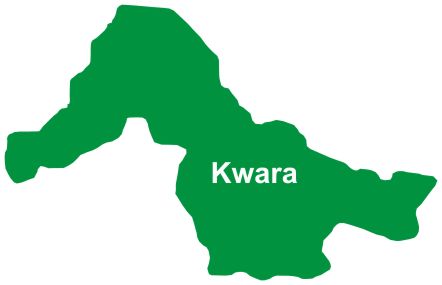
CLIMATE change is not just an environmental issue; it is also a social and economic problem affecting communities around the world. In Nigeria's Kwara state, the impact of climate change is being felt in a particularly devastating way, as it is impacting children's access to education.
The changing climate is making it difficult for children to attend school and receive the education they need to succeed.
Yearly floods have left families and children displaced and left classrooms destroyed.
Before the COVID-19 crisis, sub-Sahara Africa, according to different reports, already had the highest number of students excluded from education, “with more than one-fifth of children aged 6-11 years out of school.”
Chewuru, a community on the fringes of River Niger in Edu Local government area of Kwara state, North Central Nigeria tells a story of a desolate community that has been experiencing yearly flooding for more than 30 years and no form of assistance from the government.
At the entrance of the community is a block of two rooms that serve as the community primary school, built through communal effort.
While taking the reporter around the community of about 35 houses and 400 inhabitants, mostly women and children, the community head Umaru Shaaba who spoke through an interpreter, said the people of the town always relocate to Edogi, a nearby town during the yearly flooding as the whole town is always submerged.
He said they can't farm during the rainy season due to fear of running into losses and only make do with dry season farming, which affects yields due to lack of irrigation equipment, the effects according to him, has also affected education as the school is always flooded and teachers have stopped coming into the community.
For children of the community, any rainy day and most especially during the thick of the rainy season, automatically becomes a no-school day as the school is flooded, which has resulted in the death of a 5-year-old girl in the past he explained.
“We are suffering in this community; we can't farm, because if we do, flood water will destroy it. Our children don't go to school during the rainy season, the three teachers posted to the school live in Lafiagi and can't access the community,” Shaaba lamented.
Climate change is causing disruptions to the local economy and way of life.
Droughts, floods, and other extreme weather events are becoming more frequent, making it difficult for families to earn a living and send their children to school.
As a result, many children are being forced to drop out of school or never enroll in the first place, depriving them of the opportunity to learn and build a better future for themselves.
According to the UNICEF climate risk index report released in August 2021, climate change is the greatest threat facing the world's children and young people, with one billion children at “extremely high risk”.
In Nigeria, children are not alone in their suffering. Out of 163 countries, the country ranks second on the list of nations where children are most vulnerable to climate change.
The issue of water scarcity has also become prevalent in Nigeria's northern region. Children are mostly at risk as they have to go long distances in search of water which has become a scarce resource due to climate change.
Asabe Usman, aged 10, and 13-year-old Fati Shaaba are some of the victims affected by water scarcity in Chewuru village.
Standing beside a hole to fetch water, Asabe hung her head in despair when asked about the water situation in her community.
She spoke about constant battles with cholera and diarrhoea adding that sometimes, she doesn't go to school after walking the long distance to fetch water for the household.
Fati, couldn't converse in English, but with the help of an interpreter, she spoke in her local dialect about what the children of her community go through.
“I wish the government can provide another water [dig a borehole] for us so we can stop drinking this water,” she said.
Hajia Ladidi, her mother, said they use water from a dirty stream that runs through the hole dug in the grounds to find water.
She also said the community is aware that the water is not healthy, but they keep using it because there is no alternative.
“We drink water from the river, which made our children and the women fall sick, which has led to the death of some people before we can take them to hospital in the next village.”
“We always hear on the radio what the government is doing for other communities suffering from flooding and water scarcity to alleviate their suffering. We only hear, we don't see.”
“The only time we see government in the village is during the election campaign with many promises, and after that, nothing is heard again from them, we have resigned to fate,” she explained with a teary eye.
The community's once-reliable water sources have been severely affected. With unpredictable rainfall patterns and diminishing water bodies, the scarcity of clean water has become an everyday struggle.
Children are forced to travel long distances in search of water, sacrificing precious time that should be spent in classrooms. The lack of sanitation facilities further exacerbates health risks, perpetuating a cycle of waterborne diseases that hamper their overall well-being.
This alarming scenario not only disrupts the lives of the children but also undermines the progress toward the United Nations' SDGs.
Goal 4, which aims to ensure inclusive and equitable quality education, is dealt a significant blow as the children of this community are denied their right to education due to climate change-induced challenges.
Additionally, Goal 6, focusing on clean water and sanitation, is regrettably compromised as the community struggles to access safe drinking water and adequate sanitation facilities.
Children in Nigeria's northern region form part of the 920 million children globally currently exposed to water scarcity, and the situation is likely to worsen as climate change increases the severity of droughts and contamination.
Circumstances such as climate change and conflict in Nigeria's northern region have negatively impacted Fati's education. At 16, she is still in primary five, and despite having the desire to go to school, there is a tendency that she might not further her education if such circumstances persist.
Lukpan of Lafiagi, who is the district head of Likpata and Chewuru Manzuma Ndamusa, who spoke on behalf of communities around the river Niger in the area, said communities always suffer a heavy loss due to the destruction of their farmlands occasioned by the yearly floods.
He said that during August to October, when rainfall is heavy, villagers always vacate their communities to do the menial jobs in towns to survive.
“The flood every year always destroys food stuff, farmlands, and live stocks are lost, and children can't go to school.
“Government has visited all these communities to see the suffering of the people with promises, but nothing has been done till date,” he lamented.
The situation in Kwara is just one example of how climate change exacerbates existing inequalities and denies children access to education.
As the world continues to grapple with the impacts of climate change, it is becoming increasingly clear that urgent action is needed to protect vulnerable communities and ensure that every child has the opportunity to learn and thrive.
With children suffering significantly from the impact of climate change, there have been calls for world leaders to take decisive action.
As the world discusses climate change at the Bonn Climate Change Conference from tomorrow Monday, June 5, Nigerian children like Fati and Asabe silently wish that their concerns would be well represented and that the summit yields result for the protection of their future.
This story is produced with support from Brain Builders Development Youth Initiative (a climate-focused non-profit in Nigeria) and Sobi 101.9 FM Ilorin, Kwara State, North Central Nigeria.
Cloud Tag: What's trending
Click on a word/phrase to read more about it.
Yomi Adeboye Mohammed Kamaludeen Edu Oko-Erin Special Agro-Industrial Hub Abdullahi Imam Abdullahi Funmi Salau Hussein Oloyede Ben Duntoye Osi Oke-Odo Lola Ashiru Gobirawa Oniyangi Kunle Sulaiman Abdulrasaq Alaro Mukhtar Shagaya Bola Iyabo Ibiyeye Adisa Oniye Gani Saadu Taofik Abdulkareem Col. Taiwo Freshvine Nigeria Limited Dairo Kunle Paul Samuel Adaramola Yahaya Abdulkareem Omoniyi PPS Hassanat Bello AGILE Programme Lawal Olohungbebe Ayinke Saka COVID-19 Palliatives Hamza Usman Tunde Kazeem Aso Ofi General Tunde Idiagbon International Airport Kwara Central Kwha.gov.ng Ndama Al-hassan Kazeem Oladepo Baba Idris Ishaq Oloyede Abatemi-Usman Funmilayo Oniwa Bukola Ajikobi Idris Amosa Saidu Osuwa Ilorin Emirate Stakeholders Forum Bello Abubakar Oloje Guber Aspirant New Model Police Station Yahaya Muhammad Third Estate Suleiman Yahya Alapansapa Kwara State Television Kuliyan Geri Toyin Saraki SUBEB Isau Okin Biscuits Convocation Ceremonies NTA Ilorin Radio Kwara Tunde Mukaila Mustapha Kwara Primary Health Care Development Agency Jani Ibrahim Ilorin Maimunat Oloriegbe Aremu Bose Deborah Olajumoke Monsura Gafar Olaiya Zuberu Tanke Flyover Bridge Post-utme Alao Ayotunde Paul Odama Abdul-Rasheed Na\'Allah