

Assessing the impact of Kwara's ninth legislative assembly, By Roheemat Hammed
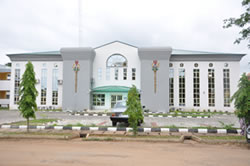
The performance of the ninth Kwara State House of Assembly (KWSHA) has garnered substantial attention, stirring debate among both the citizens of Kwara and non-indigenes alike. Over its tenure, the legislative assembly has passed a number of significant bills aimed at fostering state development. Among these are the 2024 Appropriation Bill, which allocates funding for various development projects, educational reform measures designed to enhance the education sector, and healthcare reform bills that aim to improve healthcare access and infrastructure.
Notable achievements include increased funding for schools, teacher development programmes, and the expansion of primary healthcare services. However, despite these successes, many constituents express disappointment, describing a “legislative drought” characterised by stagnation and inefficiency that leaves the state's development compromised.
The Root Causes of Legislative Inefficiency
A primary factor contributing to this legislative drought is the growing disenchantment among the electorate. Many Kwara citizens feel that their voices go unheard, resulting in widespread apathy toward the legislative process. This disconnect has been exacerbated by perceptions of self-interest within the assembly and a notable lack of responsiveness to the pressing needs of the populace.
Frequent leadership changes have also contributed to the assembly's dysfunction. Political instability, marked by shifts in party dominance and internal power struggles, has deprived the assembly of a cohesive vision. This turmoil stifles meaningful debate and hinders comprehensive policymaking, while limited financial resources further constrain the assembly's functionality, obstructing its ability to provide effective oversight of the executive branch.
Corruption remains a pervasive issue, significantly eroding public trust and impairing the assembly's effectiveness. Allegations of financial misconduct have further tarnished its credibility, discouraging citizen engagement and distracting from essential legislative work.
An Alarming Legislative Track Record
Research published by the E-Network for Sustainable Development (ENetSuD) reveals the concerning performance of the Ninth Kwara State House of Assembly. Since its inauguration, the assembly has passed merely 25 bills — none of which were initiated by the current lawmakers in the past two years. Alarmingly, a staggering 80 per cent of the legislation enacted since 2019 has been proposed by Governor AbdulRahman AbdulRazaq as executive bills.
This disproportionate reliance on executive initiatives signals a troubling trend: the assembly increasingly serves as a rubber stamp for the executive branch. Such a lack of legislative initiative compromises the assembly's authority and effectiveness, highlighting a significant failure to fulfill its fundamental responsibilities.
Far-Reaching Implications
The consequences of this legislative drought are profound. A stagnant assembly leads to policy paralysis, leaving critical areas such as infrastructure, healthcare, and education reform unaddressed. The palpable disconnect between the electorate and their representatives fosters growing public discontent, which can manifest in protests and mounting demands for accountability.
Furthermore, weakened oversight mechanisms allow the executive branch to operate with diminished checks and balances. This absence of accountability not only exacerbates corruption but also threatens the very fabric of governance in Kwara State.
A Call for Fundamental Transformation
The legislative drought facing Kwara is emblematic of larger governance and developmental challenges. The Ninth Kwara State House of Assembly has demonstrably failed to meet the needs and expectations of its constituents. To address this crisis, a fundamental transformation of the assembly is imperative.
Engaging actively with citizens, prioritizing legislative initiatives, and fostering a culture of accountability are essential steps the assembly must take to reclaim its critical role in governance. Without substantial improvements in performance, the assembly risks entrenching the legislative drought and further jeopardising the interests of the people it is meant to represent.
Strategic Recommendations for Improvement
To enhance the effectiveness of the Kwara State House of Assembly, several key strategies could be implemented:
1. Strengthening Oversight Mechanisms: Establish clear frameworks for monitoring executive actions and ensuring accountability.
2. Promoting Transparency and Accountability: Implement measures that provide citizens with insight into the assembly's operations and decisions.
3. Encouraging Cross-Party Cooperation: Foster collaboration between different political factions to promote comprehensive policy dialogue.
4. Investing in Legislative Capacity: Provide ongoing training and resources for lawmakers to enhance their understanding of policy development and governance.
5. Empowering Women and Youth: Actively promote the involvement of underrepresented groups in the legislative process to ensure diverse perspectives are included.
By embracing these recommendations, the Kwara State House of Assembly can overcome its current challenges and evolve into a more effective and responsive institution. The future of Kwara State hinges on the ability of its legislature to genuinely represent the interests of its people and to promote good governance.
Roheemat Hammed writes from Ilorin, Kwara State, and can be reached through: roheemathammed01@gmail.com
Cloud Tag: What's trending
Click on a word/phrase to read more about it.
Orisa Bridge Borgu Lateef Fagbemi Tunde Akanbi Kwara Coalition Of Business And Professional Associations Fatimah Abdulkadir Standard Organization Of Nigeria Moronfoye Abdulrasheed Na\'Allah Damilola Yusuf ASMAU PLAZA Harrison Osauwagboe Yusuf A. Usman Ilesha-Baruba Abdullahi G. Mohammad Moshood Kashimawo Abiola Bashir Omolaja Bolarinwa Dogara Asiwaju Bola Tinubu AbdulGaniyu Kareem TESCOM Mohammed Lawal Bagega Students Union Government Ayedun Raymond Olaitan Yusuf Aiyedun Ibrahim Abiodun Marufat Oladosu Dumagi Bashirat Bola Bello Abdullahi Atanda Government Girls’ Day Secondary School Pakata Lawal Arinola Kudirat Yahaya Dumoye Shettima Of Ilorin Ilesha-Gwanara ARMTI Folorunsho Erubu Saraki REO CAKES Damilola Yusuf Adelodun Seni Saraki Ibrahim Bio Muhammadu Gobir Iponrin Woro Otunba Taiwo Joseph Zulkifli Ibraheem Rachael Obisesan Abdulhakeem Adelaja Amao Vasolar 20 Billion Bond Dan Iya March 18 Sango-UITH Road David Adesina Olatunji Ayeni Kaosarah Adeyi Forgo Battery Company Limited Abdullahi Adisa Akodudu Oyedepo Majlis For Sadaqah, Zakat And Waqf Adebayo Mohammed Kamaldeen Aliyu Alhassan Sulyman Atolagbe Alege Umar Saro Mohammed Khadijat Kubura Musibau Akanji Muslim Media Watch Group Of Nigeria Suleiman Idris Baba Isale National Association Of Nigerian Students Taofik Abdulkareem Babaita Press Release Elerinjare-Ibobo Ajuloopin Saadatu Modibbo-Kawu