


Women writers have a bright future in Nigeria -Akande
In Our Place, the debut full-length novel by author and lecturer, Dr. Lola Akande is woven with plots and intrigues that connect with everyone’s day-to-day experiences, especially for Nigerians who venture outside their home states in search of greener pastures. A consultant for the Advertising Practitioners’ Council of Nigeria, APCON, Akande holds a PhD in English Literature from the University of Ibadan, Oyo State. The Kwara State indigene also divides her writing skills across academic materials, short stories and biographies. In this interview with KAYODE KETEFE, Asst Head, Judiciary Desk of The National Mirror, Akande talks about her passion for writing and the value of a female perspective in storytelling.
What motivates you to write?
I have always loved writing and I used to enjoy writing letters as a child; but as an adult, my interest in writing grew as a result of the experiences of people around me, including myself, and the need to share these experiences. I’m also inspired by a writer friend, Odia Ofeimun, whose literary work I greatly admire and respect and who has been my mentor for about a decade. In addition, my desire to be productive has been a major force behind my motivation to write. Apart from my fascination for, and interest in writing, my studying Literature has also greatly helped me in becoming a writer.
What particularly motivated you to write In Our Place?
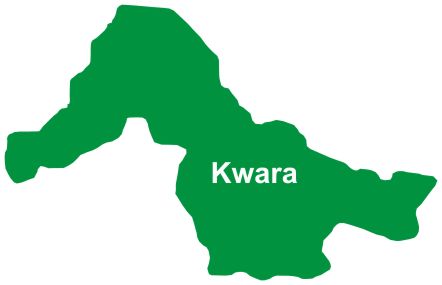
We tend to waste a lot of energy on ethnicity, regionalism and citizenship and we hardly pay attention to more serious national issues, especially issues that if given adequate attention, could transform our country. I also observe the seeming indeterminate political status of Kwara State among other states of the federation and I think Kwara State can be used to represent the confusion we throw ourselves in while trying to ascribe too much importance to ethnic or regional considerations. The fact that Anjola, the major character in the novel, is unable to achieve her life’s goals due to the misconceptions that surrounds her ancestry goes a long way to explain the needlessness of the attention we give to ethnicity.
What is the novel’s central theme?
The novel is about the way we live as a people and how our collective values can be used to explain why we are the way we are. Does the novel project your personal experience? In a lot of ways, yes.
Why is the cover designed like a child’s book?
I do not know why Macmillan chose to design it that way. I imagine they have a reason, but I have not been told.
How did you come into writing?
I started writing opinion articles for newspapers immediately after my national service in 1987 and by the time I started working, first as a freelance journalist, and later as a news reporter, writing had become a part of me. Even when I left journalism for the public service a few years later, I didn’t stop writing articles. My first article,"The Ordeal of a Job Seeker", was published by The Punch in 1987. In December 2006, I wrote"When Caring was a Burden," which was published by ThisDay and The Nation newspapers after which I decided to concentrate on working on my PhD Thesis. However, I started writing short stories while waiting to defend my PhD Thesis. I wrote a volume of short stories before going on to write a novel.
Do you believe women writers have a future in Nigeria?
Yes, I do. Women writers have a very bright future in Nigeria because they have the same capacity that male writers have in terms of education, skill, knowledge, a wealth of experience and indeed all it takes to write good books. More importantly, I would be surprised if anyone is still in doubt about the relevance and importance of the female perspective in telling our stories as a people.
Who do you see as a role model among Nigerian writers?
I greatly admire Chinua Achebe’s fiction. I admire him for his simplicity of language, skill and sophistication all brilliantly combined in a way that makes me marvel.
Cloud Tag: What's trending
Click on a word/phrase to read more about it.
Senate Presidency Kola Olota Abiodun Jacob Ajiboye Ita-Nmo Market Alapado Kayode Oyin-Zubair KWASIEC Abdulrazaq Adebayo Ajidagba Sunday Otokiti Hydroelectric Power Producing Areas Development Commission Nigeria Foundation For Artificial Intelligence Alumni Association Of The Federal Polytechnic Offa Aishatu Ahmed Gobir Academic Staff Union Of Universities AbdulRazaq Abubakar Jiddah Hakeem Lawal John Olajide Adedipe Suwa-Arabs Omar Gambari Jeunkunu-Malete-Bani Opobiyi Abdulhakeem Adelaja Amao Isiaka Gold Mary Kemi Adeosun Usman Rifun Bola Magaji Jani Ibrahim Onilu Adegoke Bamidele Post Utme Facebook Madawaki Of Ilorin Yoruba Bukola Saraki John Olobayo Durosinlohun Atiku Segun Adeniyi Kwara State Government Abdul-Rahoof Bello Garuba Alikinla Shittu Taiwo Joseph Igbaja Ajibike Katibi Earlyon Technologies Radio Kwara Kamaldeen Kehinde Kola Ologbondiyan AbdulRaheem Ahmad Shayi Moronfoye Elerin Of Erin-Ile Yahaya A Paniyaro Abdullahi Saadudeen Alikinla Iyabo Dupe Adekeye Rueben Parejo Asiwaju Bola Tinubu Kolo Omoniyi M. Ayinla Balogin Alanamu Dogara Osinbajo Titus Suberu-Ajibola VADA Ajia-Bako Kishira Abdul-Rasheed Na\'Allah Adebara LAK Jimoh Dar-Al-Handasah Consultants Presidential Election Federal Road Maintenance Agency Jumoke Monsura Gafar Ladi Hassan Kwara Tescom.kwarastate.gov.ng Lanre Badmas Zubair Folorunsho Erubu